 EN
EN

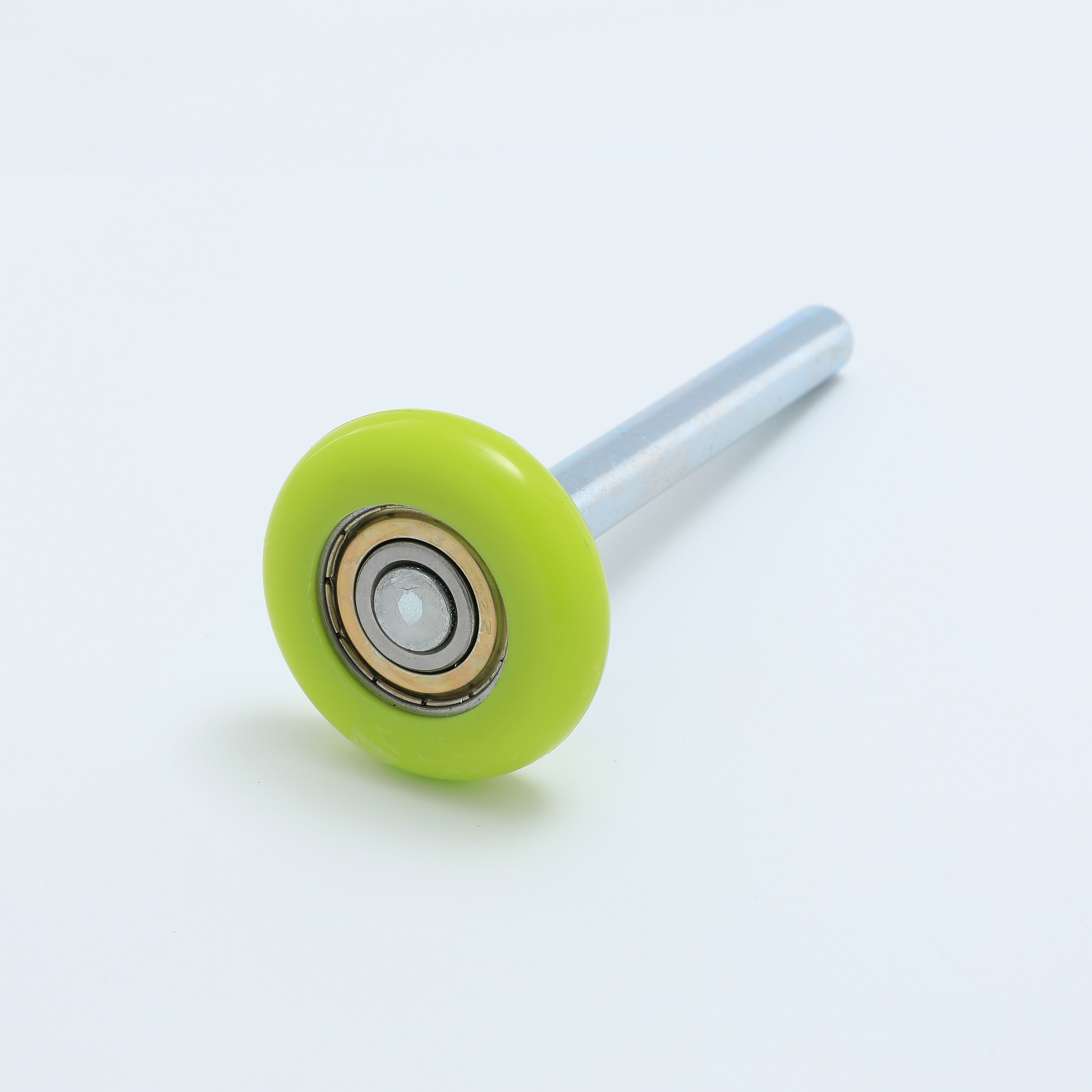
One can state that the steel rollers of the garage door are not so simple as they might appear to be, and their workability can be attributed to the thorough consideration of the concepts of the mechanical engineering. In the case of the garage doors which are intense and high cycle, roller strength plays a vital role in relaying and steering the load, normal movement and sustainability. The popularity of the steel rollers in the heavy-duty door uses can be explained in terms of engineering principle of the roller design of steel.
Load Distribution and Stress Management
One of the fundamental mechanical abilities of strength of steel rollers is load distribution. One part does not have the weight of the garage door, but it is distributed with the help of hinges, roller stems, bearings and tracks. Roller body is cylindrical in shape so that this load could be distributed on the contact region to prevent any compressive force on the material which could lead to fatigue or deformation. The design has minimal points of pressure and it also improves the ability of the roller to hold heavy door panels without breaking.
Material Strength and Elastic Limits
The rollers that are produced using steel rely on the tensile strength and elasticity of steel. In mechanical engineering, materials are selected based on the ability to survive strains as well as the ability to take its original shape within elastic limit. The production of high-quality steel rollers needs steel grade that is a compromise between hardness and elasticity to ensure that the rollers can be utilized to absorb large loads which are not permanently bent in the roller (like door weight). Plastic deformation of steel is not resistant therefore putting it in such a situation.
Bearing Mechanics and Friction Reduction
The bearing system on each roller of steel makes sure that there is a minimization in the friction and the sliding transformed to a smooth rotation. The wise rolling friction is far less than the sliding friction and less energy loss and mechanical wear are created. The roller will be able to turn freely on its axis due to precision bearings when it is heavily loaded. This not only spares the torque strain on the roller stem but also reduces the amount of heat generated which can ruin materials over time. Adequate design of the bearings will lead to efficiency in running and strength of rollers.
Shaft Engineering and Bending Resistance
The roller stem is the shaft that is subjected to forces of bending such as door weight, and motion with the movement of the tracks of curved tracks and vertical tracks. Mechanical engineering theory mechanical engineering concepts such as moment of inertia and bending stress are applied in determining the optimum stem diameter and length. A more robust, well hardened steel piece increases the deflection and bending resistance. This maintains the roller straight in the track preventing the normal lumpy wear and maintains it in the same direction. Stem strength predominantly plays a major role in tall or broad doors with the lateral forces being more predominant.
Surface Hardness and Wear Resistance
Another factor that is important in engineering is the hardness of the surface where the roller will be used, it determines how the roller will handle track throughout its life. Surface treatments of steel rollers or controlled heat process can be done so as to increase wear resistance. A harder material has greater resistance to abrasion and the internal structure is tough enough to absorb the impact forces. This balance ensures resistance to pitting, flattening or galling on the surface resulting in loss of roller strength and performance when used over long life.
System-Level Engineering Integration
Roller strength of a steel does not get complete by itself but of a complete garage door. The engineers consider the contact of rollers and tracks, hinges, brackets and lifting devices. With a design that produces rollers that are good in utilizing the reinforced tracks and the heavy hardwearing hardware, the stresses on the system overall are reduced and the stability in the operation is improved.
Conclusion: Engineering Principles Drive Steel Roller Performance
The strength of a garage door steel roller is the strength of a combination of several principles of mechanical engineering interacting with each other - the material used and distribution of loads, bearing engineering and precision of manufacture. These principles give that the steel rollers are able to maintain heavy weight, repetitive cycles and unfavorable condition of work without compromising the performance.
Knowing the science of steel rollers strength, a customer and a system planner will have an improved insight into why specially produced steel rollers will be needed to possess stable and lasting garage door systems. The choice of rollers with a well-engineered roller design helps to enhance the stability and reduction of the maintenance and also offer a safe and efficient operation of the rollers in an enormous number of uses.